The Firehouse Tribune

Work Hard. Stay Safe. Live Inspired.

  • Blog
  • About
    • Our Mission
    • Disclaimer
    • Code of Conduct
    • Staff
    • Contributors
    • Supporters
    • St. Florian
  • The 5-Tool Firefighter
  • Station Talk
  • Tri-State Fire Training
  • Shop

Avoid Regression

August 18, 2021 by Nicholas Higgins in Career Development

In order to be successful we must be adaptable. We must adapt to changes around us personally and we must adapt to the changes in the environment. As firefighters, change is something we don’t necessarily like although we necessarily need. This is how growth happens. Without change and without adapting, we are rooted and staying still.

As the world around us is growing, is changing and is evolving, standing still and doing nothing is therefore a regression.

By allowing regression to take place, we’ve allowed ourselves to become weak. Our skills have begun to diminish and our experience is no longer valid.

If we think about all of the changes the fire service has experienced in the last 20-30 years, standing still and limited our growth is a hindrance to us and those we work with and those we protect.

The advancements in everything from building construction, fire flow, and PPE to our equipment on our rigs and advancements in fire service technology along with the changes in society has proven that we can no longer get by with the bare minimum. It has told us that it is time to evolve with these changes not just for ourselves but for the firefighters we are leaving this to in years to come.

By standing still and not adapting and evolving we are regressing.

Until next time; work hard, stay safe & live inspired

August 18, 2021 /Nicholas Higgins
firedepartment, firefighting, fireservicewarrior, fireserviceleadership
Career Development
Comment
IMG_3754.jpeg

Preconnect & Static Handlines

February 26, 2021 by Nicholas Higgins in Engine Company Ops

Training. Pre planning. Apparatus knowledge. Crew Size. Crew limitations. 360 size up. Location of structure off the street. Location of fire (if known). All these and more play a role in deciding your initial attack line. It also plays a role in choosing a preconnect line vs. the static line or both. Both have their advantages and their disadvantages. For this discussion, we are not getting into hose sizes such as 1 3/4- inch vs. 2 1/2-inch but rather the 1 3/4-inch preconnect vs. the 1 3/4-inch static lay. I've outlined a few areas of consideration that should be looked at when making this decision.

1CBC7E02-2BDB-4E93-A838-FE24FDF7E705.jpeg


  1. Estimate the stretch. The majority of single family dwellings have average sidewalks of 5 feet wide with driveways of 12 feet wide by 25 feet long for a single vehicle and 20 feet wide by 25 feet long for double vehicles. This also implies the entry door is approximately 25 to 30 feet from the curb as well. Knowing these dimensions along with knowing the total length of the preconnect line (normally 200 feet) will help dictate which line should be pulled based on the location of the fire.

  2. Setback houses. Above I mentioned dimensions for the standard single family home when estimating a stretch. Setback houses however, play to a different tune. What we would call a routine stretch of a preconnect may not necessarily work due to the feet from the curb to the door yet if it does, it could cause the initial line to come up short of the fire. In cases like this, consider using a static line as additional lengths to ensure a smooth initial stretch to reach the seat of the fire.

  3. Backyard fires. Nowadays, people have outdoor kitchens and other living areas built into their backyards making it their own "island oasis" at home and others have storage sheds full of gas powered tools and appliances which are usually towards the far back of the yard. This could be a situation for considering a preconnect along with a static line to make the stretch. Again, this all depends on the initial estimate, location of fire and any obstacles that could cause a standard 200 feet of preconnect to come up short.

  4. Garden Apartments & 3-4 story buildings. Depending on the area you're in, these may already have a standpipe. Yet older style garden apartments most like will not. Depending on the location and size of the fire as well as the stairwells will help dictate your line selection as well as if additional lines need to be added for maximum reach. One line to the door, one line per floor and another to cover the area.

  5. Additional Lines. The main priority of the backup line is to back up the initial attack line should they run into any problems. What also are priorities after providing support to the initial line is to protect the stairways and means of egress along with protecting the truck company performing ventilation and search operations (most likely a job for a third line). A good practice to consider for this operation, is to advance a line that is at minimum equal in diameter to the initial attack line or go one size larger. As most engines are set up, the 2 preconnects are the same in diameter and in length yet by adding an additional length off the static line, this will allow for greater advantage especially in larger occupancies, multi dwellings and should the backup line need to assist the search team on a floor above. Should a third be needed, it's best place to enter a structure is through a side or back door to keep the main egress door free from obstructions should a rescue need to take place or for crews and residents to exit the structure.

These 5 considerations are only a few of many considerations that can be made when considering a preconnect over a static or should there be a need to utilize both lines in a hybrid fashion. Remember, always train on the ideas first before putting them to work and most importantly - know your district, know your crew, their capabilities and know your engine.

Until next time; work hard, stay safe & live inspired.


February 26, 2021 /Nicholas Higgins
fireservicewarrior, firedepartment, firegroundsizeup, firefighting, enginecompany, fireservicebrotherhood, fireserviceleadership, servantleaders, enginecompanypride
Engine Company Ops
Comment
904F9F0D-8E2A-4D60-81CF-CA21336AF472.jpeg

Building TRUST

February 11, 2021 by Nicholas Higgins in Leadership

When it’s time to get to work, it is imperative we can trust the crews inside to do their job and to make smart logical situational base thinking. We can begin this process through training with each other all the while learning each other’s strengths and weaknesses. Far too often firefighters tend to freelance or lose sight of their responsibilities due to their unwillingness to work with fellow firefighters. One reason for this is a lack of trust in their fellow firefighters but ultimately a lack of trust in themselves. Here are a few ways we can built that TRUST in our crews.

  1. The kitchen table sets the tone. Nothing builds camaraderie and getting to know each other than sitting around a table breaking bread. Understanding each other as individuals helps set the tone for understanding each other as fellow firefighters on a crew.

  2. Train WITH each other not AT each other. No matter the rank, experience level or responsibility, training with each other to learn your role and your fellow firefighters roles helps build strength and trust in each other which overtime develops trust and understanding. For days of short staffing, knowing and understanding others roles will play huge dividends in their absence.

  3. Share experiences but listen to each other’s experiences. It’s wonderful to share experiences but it’s another thing to listen to others experiences. By sharing and listening to each other, it helps build a common ground with the crew. As time goes, these experiences will develop into training scenarios and give each other a chance to show leadership and also demonstrate strengths and weaknesses.

  4. Treat each as equals. No one and absolutely no one is bigger or better than the crew and it’s integrity. Remember to always treat each other with respect as firefighters, individuals and that their role on the fire ground absolutely matters.

In the end nothing can replace trust if trust is broken. Trust is easy to break and very hard to put back together. Trust in yourself and trust in your crew leads to success. If nothing else, remember this one thing - fight and argue but when shit gets real they will be with you in the fight.

Until next time; work hard, stay safe & live inspired.

February 11, 2021 /Nicholas Higgins
firedepartment, fireservicewarrior, fireserviceleadership, fireservicepride, servantleaders, servantleadership
Leadership
Comment
IMG-1354.jpeg

New Year New Position

February 04, 2021 by Tom Marchiano in Career Development

The beginning of a new year often brings transition in the fire service. So before I begin, let me congratulate you on your new position. You're now a boss, the guy riding the front seat making decisions. It's more than just playing with the sirens and sitting upfront; your decisions not only impact your crew but the outcome of the incident. Whether you got your new officer position by vote, promotional exam, or appointment, there are a few simple things you can do to make your job a little easier.

STUDY UP

Just because you've reached an officer's position doesn't mean you know it all. Training should never stop; the fire service is constantly changing. Train with your company and show the crew you're not scared to engage in drills, whether hands-on or round table discussion. I've learned that the higher you move up the ranks, the fewer hands-on courses you're taking. You 100% still need to take hands-on training courses; however, it's time to start looking into the lectures. Classes focus on being an officer, such as fire officer, instruction, building construction, incident command system, and fire investigation. These courses all include officer development and will make you a better officer.

Goals

Something simple yet effective set a goal list. No one likes a new officer who comes in trying to rule with an iron fist. In fact, you should never rule with an iron fist, but you should try to better your company and department. Think about your position, and set realistic goals over a span of time. Start small and work your way up to bigger goals. No one needs to know your goal list. Keep it to yourself as motivation to leave the job better than how you found it.

Build relationships

A lot of firefighters have social media pages that you can use to your benefit. Check their pages, read their articles, and reach out to them with any questions; I promise they will help you out. Fellow officers in your department or surrounding area are also great for feedback. When you are on mutual runs or even fire department functions, build relationships, introduce yourself. Training doesn't always have to come from classes. It can come from discussions with people you meet. So build relationships with other firefighters and talk about the job with them.

Senior Man

In addition to using peers in the same position as you, utilize the senior man. Often the senior man is the chauffer of the rig, which is great for responding to incidents. When I was in my first year as a lieutenant, our senior man was my go-to guy for advice. Often, when responding to a call and dispatch would update us, I could look over to my left, and he would guide me into making the right decision on what to do next. Sometimes the senior man is riding the backstep and can be useful to you with on-scene operations. Just because you're in an officer's position doesn't mean it's above you to ask for advice. They'rethe senior guys for a reason, they've been around, and they've seen a thing or two, so use them as a resource.

In closing, I would like to bring up a few more things to remember. Always remain professional; now you're in the eye of not only commissioners and chiefs but the public. Just because you're an officer doesn't mean you still can't be a friend. You have to know when to separate the two. I wish I used this advice in the early stages of my officer ranks, but I've used it over the last few years, I've talked to other officers, and I feel it's made me a better officer today. My social media info is at the bottom of this article. Feel free to drop me a message; I'm more than willing to share ideas and hopefully learn new ideas as well! Stay safe!

"Learn every day, and use what you learn."

Twitter: @MarchianoTom

Instagram: Firemantom193


February 04, 2021 /Tom Marchiano
firedepartment, fireservicewarrior, fireserviceleadership, firefighting, servantleaders, servantleadership
Career Development
Comment

In Memoriam, for Cecile

January 27, 2021 by Sean Walsh in FHTribune Staff

January 27th every year is International Holocaust Remembrance Day where we gather and take the time to remember the millions of victims that perished during the horrific events that occurred between 1941 and 1945. Take some time today to learn about the Holocaust, the victims and the survivors. Like this story of Cecile Holzman Seiden who was a child who spent 3 years on the run with her mother

Read More
January 27, 2021 /Sean Walsh
FHTribune Staff
Comment
IMG_3231.jpeg

Happy Holidays

December 30, 2020 by Tom Marchiano

It goes without saying 2020 has been one of the toughest years in recent memory. It affected millions of people, some more than others. A lot of people lost not only jobs but loved ones due to the Covid-19 Pandemic.

Although most medical or emergency service fields kept their jobs, it didn't come without sacrifice. Many working directly with Covid-19 patients were scared to bring it home to their families. This lead to living in hotels for days or weeks at a time, keeping a distance from loved ones, or simply just working long hours that kept them away from home.

Often, an emergency service profession already faces its employees with depression and PTSD. Even worse this year, you were essentially forced to take it on alone if you suffer from it. More covid cases called for longer shifts and less time for self-care and loved ones. Sporting events, gyms, vacations, Broadway musicals, all things people enjoy doing to reset and relax their minds, were all taken away this year. People were forced to find alternatives to reset and relax their minds. Some were able to do so, and unfortunately, some were not.

If you take any life lesson from 2020, don't take anything for granted and appreciate what you have. As we begin to get into the heart of the holiday season, we must be thankful for what we do have. If you were lucky enough not to be as affected by the Covid-19 pandemic, remember those who have been. The smallest deed could change someone's life. There are plenty of ways to help out local families in need. Many local groups may provide an "adopt-a-family" project; you can donate to a local charity that helps a family or my personal favorite, "Toys-for-tots." It may not help with families' necessary items, but it does help make sure children have something to open on Christmas Morning.

Always try to look for the positive in situations. This holiday season, I see more houses decorated in my town than in previous years. That may sound like something that's not pertinent to this, but maybe for some, that's a sign of normalcy. Maybe a decorated block of houses can brighten someone's day. There is so much negativity on social media and TV, and it feels like that's all that's out there. Believe me; there is still plenty of good out there. We'll get through this together just as we got through anything else.

2021 will be a chance for us as emergency service workers and, more importantly, as humans to reset and begin fresh. I'd like to wish everyone and their families a happy and safe holiday season. I'll be working on some more fire-related articles for 2021 and very thankful to the firehouse tribune for the opportunity to do so. Until then, again, enjoy your holiday season and take care of each other. We're all on the same team.

December 30, 2020 /Tom Marchiano
firedepartment, fireservicewarrior, fireservicebrotherhood, fireserviceleadership, fireservicepride
Comment
IMG_2916.jpeg

Masonry Walls & Tie-Rods

December 17, 2020 by Nicholas Higgins in Building Construction

Understanding building construction is integral for all firefighters however, knowing and identifying aspects of building construction and how it plays part in the buildings overall makeup is even more vital. Looking at a brick wall to some, is well just a brick wall. To others, looking at a brick wall is much more. So what is it? A brick wall or is this wall telling a story?

 The brick wall to firefighters is in fact telling a story. In fact, these walls are known as masonry walls and in this case for our discussion, "load bearing" masonry walls. The construction of these walls began in the 1700s and ended around the mid-1900s. These walls built with stones, bricks, cement blocks or concrete blocks were designed to carry the weight that is transferred from the roof top to the buildings foundation. 

 Ever notice the stars or other subtle designs on masonry walls which are spaced strategically on the wall mainly in rows? These are commonly referred to as "reinforcing stars" or "anchor plates".

 Here are some reasons for the use of this "décor" on masonry walls. 

  1. Building Stabilization. These were added to buildings during the late 19th century and early 20th century, these were used to connect and support tie rods in order to stabilize the building.

  2. Visibility. Not all of these plates are visible from the street. Sometimes, these plates are hidden behind facades or not retrofitted to the walls leaving the exposed tie rods or cables nestled between the brick and mortar. In these instances, take note during pre plan and during the initial fire ground size up.

  3. Fire Conditions and Collapse. These rods are known to fail under most fire conditions causing a collapse of the structure or parts of the structure.

  4. Structural Integrity. Not all of these tie rods and plates were retrofitted as the building aged. In some instances, these tie rods and plates were installed during the construction of the building to give the building added integrity. 

So a brick wall isn't just a brick wall, it has many components such as the 1 we just spoke about. Take time during your next pre plan and identify these plates on the structures should you have any in your jurisdiction. Understand and be comfortable with identifying key indicators in building construction. Keep in mind the role plates and tie rods play in possible building collapse should they fail under fire conditions. Remember a brick wall isn't just a brick wall, it's telling a story of what's behind it. 

Until next time; work hard, stay safe & live inspired.

December 17, 2020 /Nicholas Higgins
firedepartment, firegroundsizeup, fireservicewarrior, fireservice, fireserviceleadership, fireservicepride, firefighting
Building Construction
Comment
Ready room 1.jpeg Ready room 2.jpeg Plaza.jpeg

Morale in the Volunteer Fire Service

November 06, 2020 by Tom Marchiano in Leadership

If you're an officer of a volunteer fire department, you've most likely read articles and sat in lectures about gaining membership. It's a topic that a lot of volunteer firehouses deal with. Let's fast forward to the part where they already joined; how do you keep them not only active but interested.   

I'm an officer of a volunteer department about an hour north of New York City. We're lucky enough to have a good number of members who are dedicated to the fire service and enjoy doing it. None of this came without hard work. A department that's constantly running fires, pin jobs, and rescue calls may have a good chance at keeping members interested. However, that's not the case with us. We are one of the county's busier departments; our district covers everything from rural areas, apartment complexes, strip malls, a state highway, and even a large industrial complex. Sounds like a recipe for a lot of work. For the most part, the potential is all there, but it's usually filled with fire alarms, minor motor vehicle accidents, and food on the stove. Now you never want to see someone or their property in danger; this makes it tough to keep members interested. 

Training is an excellent way to keep members involved. The volunteer service has members with zero experience to members with forty plus years; you have to accommodate both. Doing drills that strictly focus on basic skills is great for new members but becomes repetitive for those with more experience. A "new members academy" is a great way to retain younger members. In my department, we just started an "academy" consisting of 8 nights with a basic topic set for each. Although the course is technically opened to anyone in the department, it is designed for newer members who want to learn the basics among similar skill levels. Newer members tend to do better in their own environment where they don't feel embarrassed by asking questions in front of senior firefighters. 

Cant do something for the newer firefighters and not for the more experienced, right? There are plenty of companies or instructors willing to come in and teach more advanced skill level classes. I understand some departments may not be able to budget training like that. Use your resources around you to reach out and see what they can offer. Many times, businesses are willing to allow you to walk through the building or even have an employee touch on special circumstances that firefighters must follow. Nothing like that? Utilize your officers, have an extrication drill but add some spice to it. Instead of a basic extrication, maybe set up an imaginary scenario where the vehicle is down an embankment with entrapment. Instead of basic ground ladders, maybe work on victim removal from a ground ladder. You can perform countless more advanced scenarios at your own firehouse; you must utilize resources and think of what can happen in your district. 

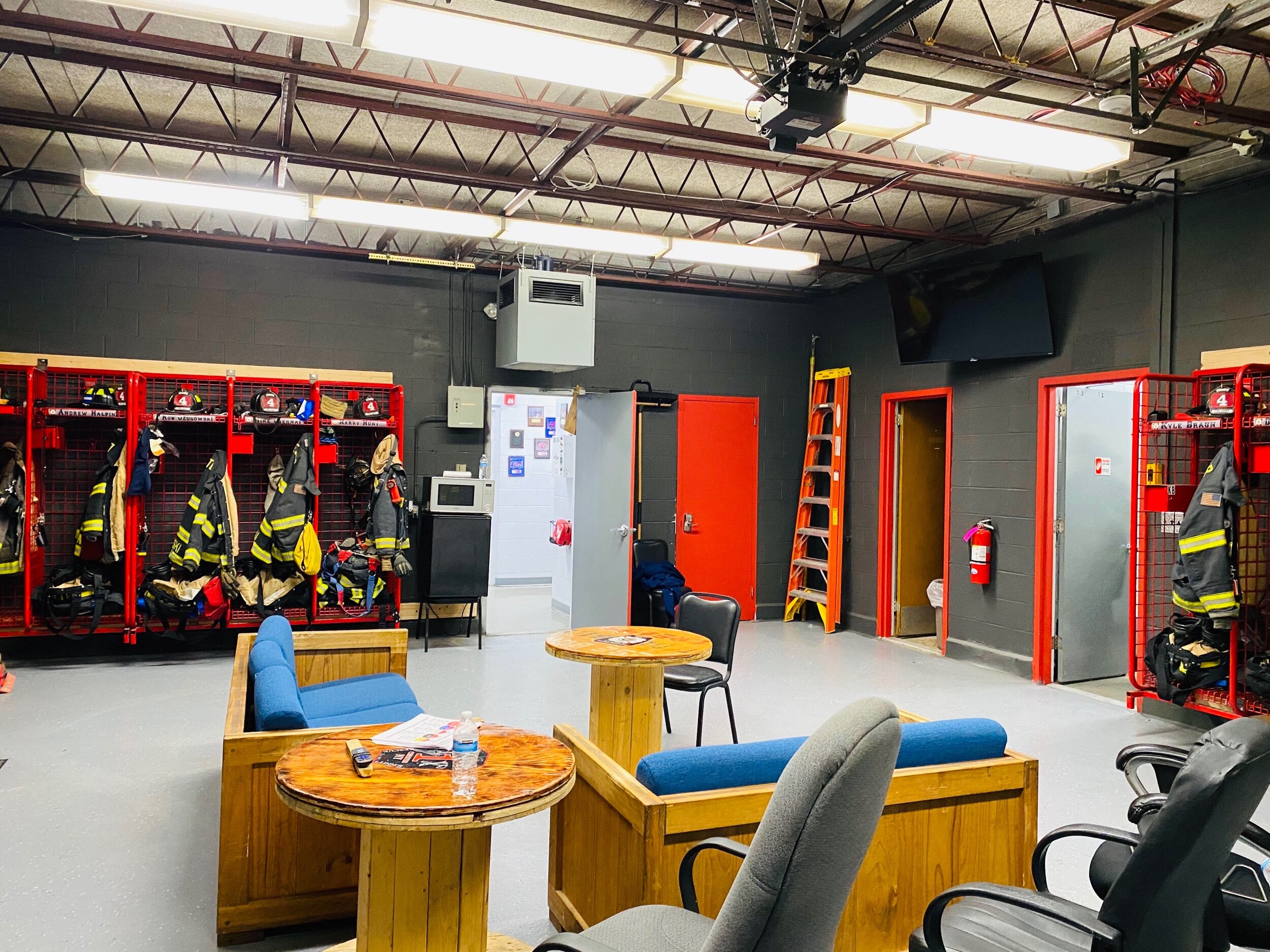
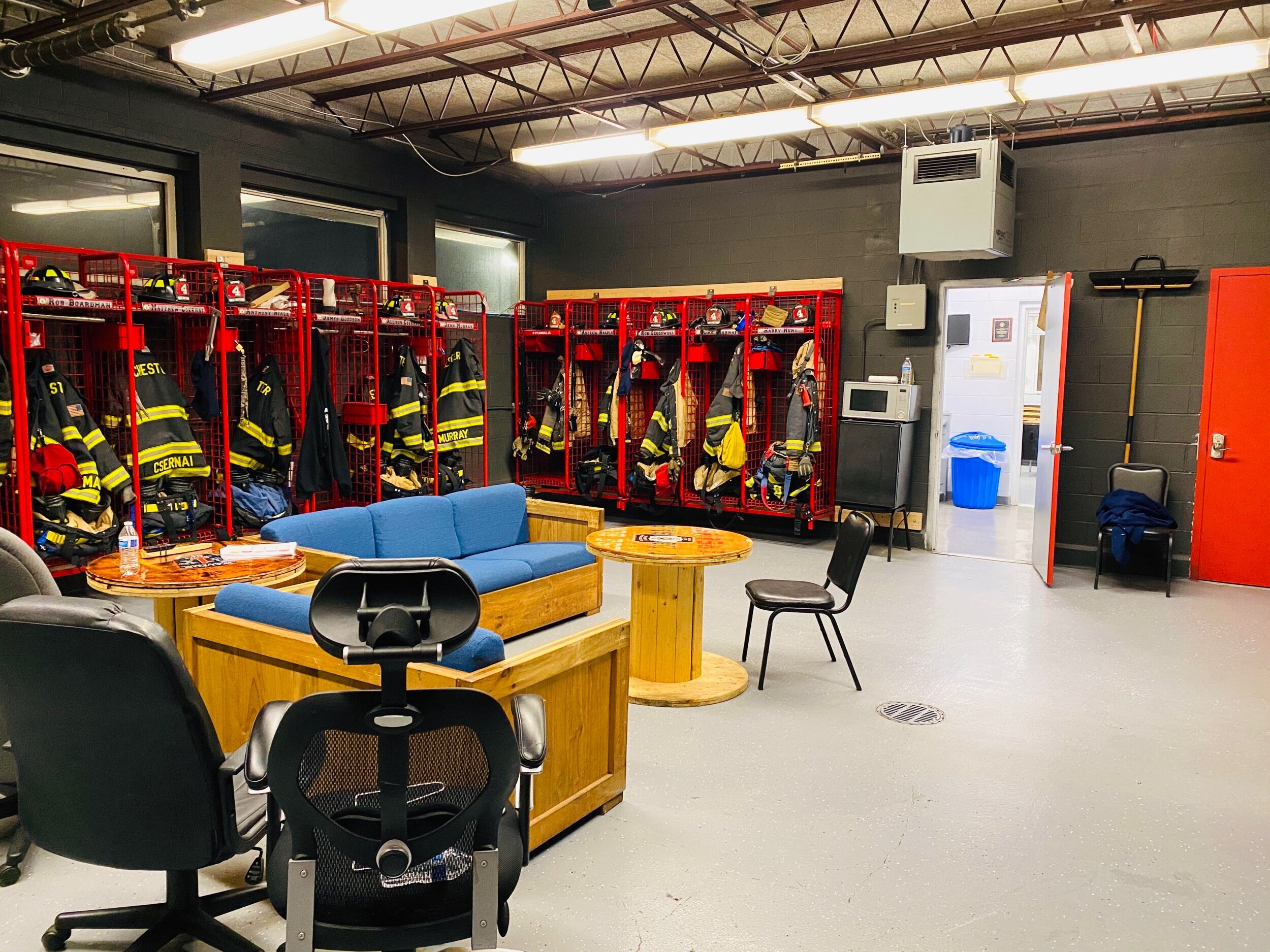
Do you want to keep members of all age levels involved? Build em' up! Firefighting is a team sport, and encouragement goes a long way. No one in the firehouse should be tearing anyone down. Encourage your members to train, encourage them on the fire scene, and make sure you let them know when they do a good job. No one wants to go to a place where they're not feeling appreciated, especially if they're not getting a paycheck. Do projects around the firehouse; it's everyone's home, and they should be able to feel apart of it. My firehouse lacked a ready room; members of all ages got together and updated an old gear room into a ready room. There was a sense of pride among the membership, and gave us all a reason to work together and boost morale. 

Now I'm sure most volunteer departments use these ideas already. I'm not an expert on morale, and this wasn't written to boost my own department; it's just information I'd thought I'd share with officers who may be looking to keep morale up or try to boost it. The fire service is all about sharing information, and I'm always looking to discuss new ways to improve the service; you can find me on Twitter @MarchianoTom feel free to drop me a message!

November 06, 2020 /Tom Marchiano
firedepartment, fireservicebrotherhood, fireserviceleadership, fireservicepride, fireservicewarrior, fireservicefamily
Leadership
Comment
IMG_2028.jpeg

Saws on the Engine

September 28, 2020 by Nicholas Higgins in Engine Company Ops

All fire apparatus carry a plethora of tools to assist us on the jobs. Saws are one of them, even on an engine. When we think engine company we don’t think of saws but there comes a time where the truck company may not be available or on scene and time is critical. 

Here are a few uses for saws as an engine company.

  1. Forcible Entry. Not all the time will it be as simple as forcing the door with the irons or other hands tools. Sometimes, we may face instances of security gates around doors and windows that are needed for entry or ventilation. Other times, it could be commercial or residential garage doors. Nine out of ten times, your primary response district has commercial and/or residential garage doors. 

  2. Ventilation and roof operations. Just like engines carry saws, they also carry ladders. As mentioned, the truck company may be delayed or unavailable at the moment and roof or exterior wall cuts might be needed. This operation could be done by the second arriving engine on scene as the first had pulled the initial attack line and truck work is needed without the availability of a truck. This isn't the primary work of an engine company but some situations or department protocols may require this to take place.

  3. Engine compartment access on car fires.  Depending on the situation sometimes getting to the engine compartment isn't has simple as using a halligan to pop hood latch. Sometimes it may take some extra power and a rotary saw might be the best option to get to the latch in order to make a knock on the fire.

  4. A backup saw. Sometimes saws fail. No matter how many times it's been checked and maintained mechanical tools sometimes fail, whether it be caused by human error or a mechanical failure, things don't always work when they are needed to work.

There you have it, a few quick uses for saws on the engine. Oftentimes, they're overlooked but should be a valuable tool should the situation call for it.

Until next time; work hard, stay safe & live inspired.

September 28, 2020 /Nicholas Higgins
firedepartment, firefighting, fireservicewarrior, fireservicepride, servantleaders, blogger, enginecompanypride, enginecompany
Engine Company Ops
Comment
A view behind The Wreck in Charleston, SC. a peaceful scene in the midst of turmoil.

A view behind The Wreck in Charleston, SC. a peaceful scene in the midst of turmoil.

Naming that Awful Feeling as Grief

September 03, 2020 by Nicholas Higgins in Health& Wellness

First responders deal with tragedies on a daily basis, and they must develop a level of emotional distance from the events to be professional. Although distance is a helpful coping mechanism in the short term, long term it can be harmful to the individual. Becoming emotionally distant from unfolding situations can cut off the grieving process.

We can grieve over any change, tragic or personal, it doesn’t just happen when someone dies. Changes in our daily routine, the loss of a friendship, the loss of what we thought was going to happen and suddenly cannot. Right now most of us are going through some sort of change to what was our “normal” way of life because of COVID-19 restrictions. We can name some of those uneasy feelings as grief.

Grief is an emotion many of us try to avoid or minimize. Grieving is not comfortable, so we try to move on quickly to more pleasant emotions. The truth is — we need to grieve as the emotion hits us. If we suppress the grief, other aspects of our lives can be affected.

Constant suppression of grief can lead to emotional distance in other relationships, physical symptoms of depression, as well as other physical ailments. Erich Fromm wrote, “To spare oneself from grief at all costs can be achieved only at the price of total detachment, which excludes the ability to experience happiness.”

Certainly, a level of detachment is necessary when exposed to tragic or emotional events, but complete detachment from any pain or hurt is not desirable. It can lead to larger problems, physically and mentally. Naming the loss of activities and events as grief can help you move forward.

If you are grieving a loss of events, a person, after a tragic event:

  • Keep a personal journal of your feelings. Write about what you miss whether it is a person or event.

  • Find a friend or group of friends to talk to regularly and share your experiences.

  • Seek out a professional counselor/therapist who can help you move through the grief experience.

  • Give yourself permission to feel the emotion.

  • Consult one of the many resources available on grief.

It’s normal to be upset and feel down after a time of loss or tragedy. It can take up to five years to fully process the death of a loved one. We never “get over” the feeling of loss, but we do reach a point where the grief isn’t all consuming.

Grieving is a normal emotion. It is normal to feel lonely, cry and question the meaning of life. But, if you are experiencing lingering problems at work and/or at home, you may be experiencing depression.

Signs of depression include: a change in weight, difficulty sleeping, or a general sense of helplessness. Depression is treatable, but you must see a doctor.

During a time of loss and grief, treat yourself well. Don’t set unrealistic personal goals. Take time for yourself: Take a walk, work out, treat yourself to something that brings you joy, play a game of basketball, rent a funny movie, take a drive.

Remember, the people you care about want to help you through this time. Let them know how they can help. Above all, take care of yourself.

For further reading visit:

http://www.grief-recovery.com – A grief support blog

http://www.silentgrief.com – Support for all who have suffered miscarriage and later child loss

http://www.pet-loss.net – Support after the loss of a pet.

https://good-grief.org – Resources and programs

“On Death and Dying” by Elisabeth Kubler-Ross

**Part of this article originally appeared in the Southern Newspaper Publishers Association Newsletter in 2004

Disclaimer: This website is for information purposes only. By providing the information contained herein we are not diagnosing, treating, curing, mitigating, or preventing any type of disease or medical condition. Before beginning any type of natural, integrative or conventional treatment regimen, it is advisable to seek the advice of a licensed healthcare professional.

To learn more and for more information please visit: https://dorielgriggs.com/

September 03, 2020 /Nicholas Higgins
firedepartment, fireservice, lessonlearned
Health& Wellness
Comment
Adjustments.jpeg

Bad Habits Good Firefighters

August 25, 2020 by Nicholas Higgins in Career Development

There’s a saying “bad habits kill good people” and sadly enough, it’s the truth. As humans we are creatures of habit and when in doubt or in times of uncertainty, we tend to go back to what we are comfortable with, right, wrong or indifferent. As we know and probably many have experienced including myself, reverting back to comfort zones could sometimes be an unsafe act.  An example of this is letting your guard down on what we call “routine calls” or “frequent flyers”. What we tend to do is not be as mentality prepared or physically equipped with the right tools should the situation take a turn in the wrong direction. This is due to the repetitive false alarm calls to the same location numerous times or various locations with no change and often times all too frequently.

In turn what does this do? This begins the creation of complacency and molding good firefighters into developing bad habits. Let’s break the habit.

  1. Keep it fresh. Start each day with a clean slate. What happened in the past is the past. Start fresh and learn from yesterday.

  2. Do not allow to be around those who sugarcoat your faults. Listen to those around you and determine what’s valuable and what can be discarded. 

  3. Enjoy the process instead of focusing on the outcome. Preparation is your key to success. How to prepare and how your train will get you to your outcome. However, your preparation and training should be focused on what you want your outcome to be.

  4. Continually learn and advance yourself and those you work with. This keeps the mind fresh and keeps the team building and morale at a plus. 

  5. Finally. Rest and recharge.

Habits good or bad can have long last effects on us and how we perform. Keep your days fresh with new ideas and don’t allow what we always done deter you from getting the job done. In the end, people call us at their most needed time and we need to be at our very best.

Until next time; work hard, stay safe & live inspired.

August 25, 2020 /Nicholas Higgins
firedepartment, fireserviceleadership, fireservicebrotherhood, fireservicewarrior, servantleaders, stragetiesforsuccess
Career Development
Comment
My daughter and I had the opportunity to shoot the cannon at half time of a football game at The Citadel. Anger can feel like your insides will explode. Photo by Michael Givens

My daughter and I had the opportunity to shoot the cannon at half time of a football game at The Citadel.
Anger can feel like your insides will explode.
Photo by Michael Givens

Anger Management and First Responders

July 27, 2020 by Dorie Griggs in Health& Wellness

Anger management. Yes, it’s the title of a movie starring Adam Sadler and Jack Nicholson, but it is also a big problem in our society. Do a Google search for “Anger Management” and you’ll get over 262,000,000 hits. Most of these sites don’t have anything to do with the movie.

Anger is a natural emotion. It can be a healthy emotion to express. In the work environment however it is a hard emotion to process. Working in a time sensitive and at times dangerous industry only increases the likelihood of anger increasing on the job. Emergencies, equipment failures, and a variety of personalities on a scene can combine to make for one very frustrating and anger-filled environment.

Left unexpressed, anger can internalize and cause physical problems. Repressed anger can come out in passive aggressive behavior, depression, or in a negative outlook of life in general.

The key is to express anger in a constructive manner. Too many individuals channel their anger in destructive ways. When I was growing up we referred to it as the “kick the dog theory.” This theory basically said a person who gets in trouble with a boss in the work place can’t voice their anger at the boss. Instead they go home and for no reason kick the dog – definitely not the way to handle anger and frustration!

If you have an encounter in the work place and feel yourself getting angry you do have options in how you respond. We can’t always control what is happening around us, but we can control our reactions to what is happening.

Your options include learning how to express your anger in a manner that does not harm yourself or another person. These options take practice.

  • Count to ten. It sounds like a cliché, but there are studies to back this practice up. When we’re angry, we use the emotional side of our brain. This is where the “four letter words” reside. Taking a minute to count to ten before you speak will bring you back into the rational side of your brain. The counting method also gives us sometime to calm down and is a distraction from what we reacted to.

  • Sleep on it. While related to the first suggestion, this advice applies to situations when a decision is announced and your first reaction is anger. Allowing a little time between the announcement and your reaction can help by allowing all the facts to be presented. We often get angry first and discover later our fears never materialize.

  • Write out your response. Sometimes it helps to write everything down. All the things you want to say but don’t feel you can. This is the version you keep in a private place or shred later. Write down all your thoughts, including the things you’d never say out loud to someone, then move to a more rational approach. Write down why or what upset you. Then write down how you can resolve the problem (remember you can’t harm yourself or others!)

  • Exercise – We often feel an an adrenaline rush along with the feeling of anger. This is related to the fight or flight response. Taking a walk, or more strenuous exercise, can help your body process the rush you felt during the encounter,

In some cases the pattern of anger has gone on for so long, outside counseling is needed to help you live a healthier life. Your friends and family will also give you clues that you need help. Taking that first step can be scary, but well worth the rewards.

If you are a member of a faith community the clergy person may be a good resource for referrals. They can also offer practices within the framework of your faith system of how to work through anger. The American Psychological Association has a very helpful information on their web site about anger management, what it is, how to deal with it and when to seek outside help.

Additional reading:

What your Anger May be Hiding

Anger Management: Understanding Anger

Science of Anger: How Gender, Age and Personality Shape This Emotion

To learn more and for more information please visit: https://dorielgriggs.com/

About the Author (via LinkedIn Profile):

After a career in various public relations and marketing positions in college and professional sports and the hospitality industry, Dorie L. Griggs attended Columbia Theological Seminary, where she earned her Master of Divinity degree in 2002.

During her final year at Columbia, Dorie developed a model of chaplaincy for journalists who cover traumatic events. She has served as a volunteer with the Dart Center for Journalism and Trauma, an organization founded by Dr. Frank Ochberg, MD. She is the Chaplain for the Roswell, GA Fire Department.

Dorie served as the Communications Manager for the nonprofit, Faith And The City, from 2002-2004. In that capacity she produced the award-winning interfaith dialogue cable TV program, Faith And The City Forum.

She is the author of a self-care advice column for newspaper journalists, One-On-One, which appeared in the e-Letter of the Southern Newspaper Publishers Association in 2003-04.

Dorie completed a year as a chaplain resident through the clinical pastoral education (CPE) program at the Atlanta VA Medical Center in June of 2015. During her time at the VA Dorie received recognition for her work on the Surgical ICU team with the DAISY Team Award. She now serves on the Professional Advisory Group for the Office of Chaplain services at the AVAMC.

In April of 2014 Dorie was named the 2014 Pioneer in Ministry Award recipient by Columbia Theological Seminary in appreciation for her ministry of presence with journalists and for her support of parents of Citadel cadets. Read more here.

Memberships and organizations past and present: Parent Committee Chair, Atlanta Citadel Club; The International Society of Traumatic Stress Studies; The Ochberg Society for Trauma Journalism; a commissioned Stephen Minister and founding chair of the Military Ministry at Roswell Presbyterian Church; she was a committee chair for the Citadel Family Association, a support group for parents with cadets at The Citadel, the Military College of South Carolina. She is entering her 26th year as a press box volunteer with the Chick-fil-A Peach Bowl in Atlanta.

Her background in traumatic stress studies as well as being a Level II graduate of the Jeff Justice Comedy Workshoppe has helped her in her role as mother to 3 children: Nelson, a 2011 graduate of The Citadel, who recently left the Army as a captain in the U.S. Army, and is now working in Dallas, TX; Taylor the family comedian and bartender; and Chelle (pronounced Shelley) the actress of the family. Dorie is married to Stanley Leary, a freelance photographer.

You can contact Dorie here: dorie@dorielgriggs.com
July 27, 2020 /Dorie Griggs
firedepartment, lessonlearned, growthmindset, firefighting, firefighters_daily, jewishfighters, fireservicewarrior, servantleaders, fireservicebrotherhood, publicservice, resilience, everyonegoeshome, firefighters_unite, firefighterforlife, learn, fireservice, firefighterfamily, evolve, firefightermom, communityoutreach, generations, fireserviceleadership, awareness, femalefirefighter, stragetiesforsuccess, communityservice, combatingstress, firefightersofinstagram, internationalfirefighters, companyofficer, blogger, motivation, learning, jewishfighter, servantleadership, findyourmission, firefightertraining, leadershipdevelopment, fireservicepride, firefighter_brotherhood, lessonlearnedinlife, fireservicefamily, firedept, firefighterposts, fhtribunearmy, firefighterbrotherhood, firefighterwomen, payitforward, firefighterpride, firetraining, knowledgeispower, firefighterwife, firefightingislife, firefighterlife, firefighter_feuerwehr, behumble, fireofficer, firefighterintraining, firefighter, firefighters, firefighterwoman, mentalhealthawareness, firefighterstrong, fireservicewomen, firehouse
Health& Wellness
Comment
IMG_0478.jpeg

Exposure Protection: The In’s & Out’s

July 08, 2020 by Nicholas Higgins in Firematics

A well trained group of firefighters with a solid foundation of a good coordinated fire attack is critical to the success of fireground operations. Plan and simple. Understanding fire attack as well as fire behavior in particular structures also provides a good understanding of exposure protection. Many firefighters if not all firefighters heard of or know the acronym RECEO VS (Rescue, Exposure, Confine, Extinguish, Overhaul, Ventilate, Salvage) which is a critical thinking tool to assist with our tactical decision making based on the situation at hand. This article will talk about the "E" in RECEO VS - exposure. Something that is oftentimes overlooked. 

One third of our fireground responsibilities is property conservation. If we remember, L.I.P. (life safety, incident stabilization and property conservation). This stands true for interior or exterior exposures. Thorough size ups and a well performed search and location of fire will assist our needs of potential exposures and a way for firefighters to get ahead of the fire. One thing we always want to do, is get ahead of the fire before it gets ahead of us. 

A way to get ahead and hopefully stay ahead of the fire is to establish exposure lines in order to protect fire spread through the means of a secondary line(s). By doing so, we are allowing ourselves to stay ahead of any rapid fire progress and putting ourselves in a position to contain the fires forward progress. Fire can and will advance itself in any and all directions based through various ways.

  1. Direct flame contact

  2. Radiant heat

  3. Convection

  4. Embers

  5. Heat contained in smoke. 

If we can understand where the fire is going, taking into consideration it's speed, type of structure and location to name a few, we can better position ourselves in front of the fire's flow path and cut off any potential exposure problem. 

Interior exposure considerations 

  1. The BOX we are working on (4 walls, 1 ceiling, 1 floor). Heat travels up which makes the floor above the fire one of the most critical areas to protect. Don’t forget to check the floors below. Fire can drop floors just as easily as it can travel up floors.

  2. Mushroom Effect. Top floors of a structure have a tendency to collect heat, smoke and products of combustion with nowhere to go. A calculated vent will help with reducing this effect.

  3. Common cockloft. A hose line, a few pike poles and a TIC can help alleviate fire spread.

  4. Interior design. Based on how the structure is designed can determine how fire will spread. Open floor plans present a great opportunity for fire spread since there is nothing to impede heat to travel and fire to spread. Open floor plans are common in both residential and commercial dwellings. Keep a look out for renovations as well. 

IMG_0480.jpeg
IMG_0479.jpeg
IMG_0478.jpeg

Exterior exposure considerations

  1.   Structures on the sides of the fire building.

  2.   Structures in front of the fire building

  3.   Structures to the rear of the building

Note: exposure problems around the exterior of the fire building could be at risk of absorbing radiant heat, therefore hoselines on the exterior should direct their streams to the structures themselves to help reduce the amount of heat they are absorbing and not spray water in the opening between the structures. By spraying water between structures will still allow radiant heat to be absorbed by the exposed structures. 

A group of well trained firefighters in well trained hose deployment techniques allows us to get ahead of the fire before it gets ahead of us.

Until next time; work hard, stay safe & live inspired.

July 08, 2020 /Nicholas Higgins
firedepartment, fire, lessonlearned, enginecompanypride, firefighting, preplanning, firefighters_daily, jewishfighters, fireservicewarrior, servantleaders, fireservicebrotherhood, criticalthinking, initialattack, publicservice, sizeup, firefighters_unite, firefighterforlife, fireservice, firefighterfamily, teamwork, firefightermom, fireserviceleadership, firegrounddecisionmaking, femalefirefighter, firefightersofinstagram, hoseadvancement, internationalfirefighters, companyofficer, brothershelpingbrothers, sundaytraining, motivation, blogger, learning, training, firebehavior, squadcompany, jewishfighter, servantleadership, evolution, earnit, staythecourse, strategiesandtactics, firefightertraining, fireservicepride, fireengine, incidentcommand, firefighter_brotherhood, trainhard, fireservicefamily, firefamily, firedept, truckcompany, firefighterposts, fhtribunearmy, firefighterbrotherhood, firefighterwomen, payitforward, firefighterpride, firetraining, knowledgeispower, preplan, firefighterwife, fireattack, firefighterlife, firefighter_feuerwehr, fireofficer, getafterit, firefighterintraining, fireground, brotherhood, firefighter, chiefmiller, firefighters, firefighterwoman, alwaysready, firefighterstrong, firefighterpreplan, fireservicewomen, firehouse, mondaymotivation, firefighterhealth, rescuecompany, chief_miller, firefightermotivation, tacticaldecisions, enginecompany, fhtribune
Firematics
Comment
unnamed.jpeg

Probationary Firefighters, Are We Failing Them?

June 26, 2020 by Tom Marchiano in Leadership

Whether you're in a career or volunteer fire department, the discussion of our probationary members not being good enough is always a topic. The blame is still on them, but are we the ones who are failing?  

I grew up in a community about an hour north of New York City. Ever since I was a kid I've had a fascination with the fire department, I remember the FD coming to school for fire prevention, and it was the highlight of my school year. Naturally, when I turned 16 in 2004, I joined the department. My first day in as they're setting me up with PPE and introducing themselves to me, I immediately noticed a particular lifestyle among the members.  

Within that lifestyle was mutual respect. As the new guy, my role was keeping my apparatus clean, learning the tools and equipment, listening, and, most importantly, keeping my mouth shut. Honestly wasn't too much different than my home life. Keep the room clean, do my homework, and respect my elders. I noticed the more I followed these simple rules; I gained the respect of my fellow firefighters. I believe it as much now as I did then, respect is earned not given. As I progressed and continued training and taking state fire courses, I moved up the ranks from Lieutenant to Captain and now to my position as the 2nd Assistant Chief. 

 As I moved up, we took in a countless number of new members. Some stuck with it, some it didn't work out for, some of them currently serve under me as Captain or Lieutenants themselves. The one thing I've noticed among the years was the ambition and respect level has changed. Some members seemed excited to be a firefighter. However, once asked to clean or take the garbage out or even learn the truck's equipment, it became more like a chore. They would go home and never step foot in the firehouse again. The firehouse was becoming more of a haven or a clubhouse for them to hang out and not have to listen to parents at home. 

 For years I had the same attitude as many do now; if these younger members can't adapt to our lifestyle and traditions, they're useless to us. During my time as captain, a newer member asked if I could come down and go over the apparatus and equipment with him. He commented that he enjoys learning, and wishes more people hung around to help. At this moment, I thought to myself; maybe we are failing the youth of the fire service. Everything is completely different for young adults nowadays. 

Not to offend anyone, but take a look at the lifestyle of today's youth. Children are rewarded for everything they do. Trophies for finishing 6th place? Disrespect a teacher at school, and the teacher can't discipline you. Your parents can barely discipline you without someone involving child protective services. Fire Departments run on military time, and the schools in my area don't even teach students how to read a quartz clock anymore. We show up to fire prevention day or a career day, and we preach to these young adults that firefighting is excellent. They come to the firehouse. They check everything out; they join, and then we immediately throw them into "our lifestyle" without even knowing them. 

We expect them to take out the trash and clean, chores they barely do at home thanks to robot vacuums and a sense of entitlement. We hope they stop watching TV in the ready room and learn the apparatus. We expect them to respect us as senior members or officers, but we don't include them in conversations. I guess my point, in the end, is, maybe we as officers and senior members are the issue. If we take more time to get to know them, show them what a rookie firefighter is all about, by cleaning with them, going over equipment with them, and all in all, just being around for them more, maybe, they'll adapt to the lifestyle that we created as firefighters. Perhaps if we stop to think of them and how the world has changed, and they're not living in the same era as we once did, then we can adapt together.

The late Chief Alan Brunacini said, 'If you want to make changes in the workers' behavior, change the behavior of the boss.' It's a great saying in any line of work. So, think about what if we can get both sides to adapt and coexist; maybe we can create a better firefighter lifestyle for the future fire service.

June 26, 2020 /Tom Marchiano
firedepartment, firefighters_daily, firefighterfamily, blogger, bethankful, payitforward
Leadership
1 Comment
IMG_0414.jpeg

Avoid Exhaustion through Healthy Eating

June 08, 2020 by Nicholas Higgins in Health& Wellness

Exhaustion and burn out are common in all jobs. It's inevitable not to feel exhausted or burnt out from time to time and that's OK. Exhaustion can begin long before the end of shift or the end of your day. Again, that too is OK. When thinking about it and looking at the cause, is it because of the workload? Personal issues? Health? Let's look at the latter. 

As they say, "you are what you eat" and that is in fact true. We can work out all we want. We can lift weights, do bodyweight exercises, cardio, train in our PPE and still feel burnt out and exhausted. Why is that? Simply, it's our nutrition. What we eat has a direct relation to our energy levels and our diet plays a large role in how we produce energy to function through our day.

If in doubt, ask yourselves these 2 questions: 

  1. Do I have the right amounts of food in my diet?

  2. Am I consuming a diet filled with enough nutrients?

By choosing the right nutrients to consumer in our diets will greatly impact how we maintain and keep energized throughout the day.

Nutrient Dense Foods

Focus on consuming lean meats, whole grains, healthy fats, and lots of fruits and vegetables. Two key nutrients known to help the body produce energy are Magnesium (also good for headaches) and vitamin B. These 2 nutrients can be found in foods such as spinach, avocados, and bananas.

Regularly Eating

Eating small meals every 3-4 hours (if possible) will help in fueling our metabolism and keeping you energized and full.

It starts with Breakfast

Having a nutritious breakfast consisting of healthy proteins (eggs, chicken, almonds, lean meats, etc.), complex carbs (longer to breakdown and provides lasting energy levels such as oats and wheat) with some fruits and vegetables will fuel your body and mind to begin your day properly.

Smart Snacking

Snacking is good if it's done wisely. Nutritious snacking should contain lean protein and fiber-rich carbohydrates to provide lasting energy. Have an apple, nuts, seeds, carrots, or low fat Greek yogurt. Snacks are not intended to fill you up, but to simply bridge the gap from one meal to the next while keeping you energized.

Hydrate

When we feel like we need energy, it's easy to pick up and energy drink or coffee. However, most caffeinated drinks are filled with added sugars which could cause a spike in blood sugar levels and add to a mid-late day crash. Further, dehydration plays a role in fatigue and exhaustion. Swap in the sugary drinks for water and eliminate the added sugars and unwanted/needed calories.

Keys to Hydrations

Hydration varies from person to person. The National Academies of Sciences, Engineering, and Medicine determined that an adequate daily fluid intake is:

About 15.5 cups (3.7 liters) of fluids for men

About 11.5 cups (2.7 liters) of fluids a day for women

These recommendations cover fluids from water, other beverages and food. About 20 percent of daily fluid intake usually comes from food and the rest from drinks. Remember, proper nutrition throughout the day will assist in daily hydration. Some examples of foods for hydration are watermelon & spinach (almost 100% water by weight)cucumber, broths/soups and herbal teas to name a few.

The next time you're in need of a boost or a quick pick me up consider the options mentioned above on shift or at home. The more nutritious foods we put in our bodies the better we are able to perform.  Stay ready instead of have to get ready. It starts with you. 

Until next time; work hard, stay safe & live inspired.

June 08, 2020 /Nicholas Higgins
firedepartment, firefighterfunctionalfitness, fire, lessonlearned, growthmindset, enginecompanypride, firefighting, firefighters_daily, jewishfighters, firefighternutrition, fireservicewarrior, functionaltraining, fireservicebrotherhood, optimalhealth, healthyeating, eatyourberrieseveryday, everyonegoeshome, firefighterforlife, firefighters_unite, learn, fireservice, firefighterfamily, evolve, teamwork, firefightermom, thursdaythoughts, fireserviceleadership, healthandsafety, femalefirefighter, stragetiesforsuccess, stayhydrated, internationalfirefighters, fitnessmotivation, sundaytraining, brothershelpingbrothers, motivation, blogger, training, learning, alwayshungry, squadcompany, jewishfighter, staythecourse, earnit, evolution, improvement, findyourmission, firefightertraining, leadershipdevelopment, fireservicepride, firefighter_brotherhood, fireservicefamily, focus, firefamily, eathealthy, healthylifestyle, storyteller, firefighterposts, fhtribunearmy, firefighterbrotherhood, firefighterwomen, payitforward, firefit, firefighterpride, firetraining, knowledgeispower, firefighterwife, health, firefightingislife, hydrate, healthylife, firefighterfit, firefighterlife, firefighter_feuerwehr, healthandwellness, firefighter, firefighterfitness, chiefmiller, firefighters, nutrition, firefighterwoman, eatyourgreens, hydration, alwaysready, probiotics, firefighterstrong, firehouse, fireservicewomen, staystrong, inspiration, mondaymotivation, leadership, changestartswithyou, firefighterhealth, rescuecompany, chief_miller, enginecompany, fhtribune, firefitness
Health& Wellness
1 Comment
IMG_9850.jpeg

Prepare to Perfrom

April 17, 2020 by Nicholas Higgins in Career Development

We are only as good as our last performance but we are also only as we prepare ourselves to be. Preparation begins long before the call comes in. It even begins before any preplanning is done and crew training. It's done, with one's own self. It's called knowing your job and performing it as if it's the championship game each time you're working. Each firefighter is responsible for their assignments and should know their job better than anyone else. On the flipside, each member of the crew should know their fellow firefighters responsibilities just as well as their own. Without knowing and understanding your role and roles around you even knowing the role above you, success is much harder to achieve and days with lower manpower will impact the rate of success.  

Some will say strategic planning is something for the command and company officers to worry about. I disagree, this is something each firefighter needs to be thinking about in some capacity. Without it, responsibilities cannot be done as efficiently and voids cannot be easier filled. When looking at this in a sports perspective, the great dynasty teams all had one common denominator, great preparation and an understanding of each other's roles. If we take the New England Patriots who won 3 Super Bowls from 2014 until now went by the mantra "Do Your Job" which stood for one thing, know your responsibilities better than anyone else on the field and understand the big picture that is looking to be achieved. By doing this, success will come. The same goes for the fire service. The more each member of the crew knows and the better they prepare, the easier a day on the fire ground becomes.

Here are a few steps on how to prepare to perform.

  1. Know your role and own it. Be able to understand and explain to others the ins and outs of your role clearly. 

  2. Know and understand the other responsibilities of your crew. This helps become multi-dimensional and can easily back fill other roles should there be a short staff or other circumstances that may arise.

  3. Consistently train on your responsibilities and rotate through training on other responsibilities as well. By doing so, it bridges any gaps and helps develop a more unified crew. Example using engine company ops: On a 4 man engine, there's an officer (assumes back-up role), driver, nozzle firefighter and control firefighter (also assumes hydrant duty).  This is a prime example of how firefighters are responsible to one role and yet assumes another role. Continually practice in such roles plays dividends when it is used in the field. 

  • Use your resources such as google maps to get aerial views, side views and street views of buildings you want to have specific plans for and even use it for the frequent flyers. Never take anything for granted.

  • Develop a plan and train on it consistently and then develop contingencies and train on those. 

  • Ensure all crew members understand the strategies and tactics and can clearly explain them. This helps show everyone is clear on the assignments. 

Preparation is key to successful fire ground performance. How you prepare is how you perform. Train accordingly.

Until next time; work hard, stay safe & live inspired.

April 17, 2020 /Nicholas Higgins
discipline, firedepartment, fire, lessonlearned, growthmindset, enginecompanypride, firegroundsizeup, firefighting, community, firefighters_daily, preplanning, jewishfighters, fireservicewarrior, criticalthinking, servantleaders, fireservicebrotherhood, publicservice, everyonegoeshome, firefighterforlife, firefighters_unite, learn, backtobasics, fireservice, evolve, firefighterfamily, teamwork, firefightermom, communityoutreach, thursdaythoughts, fireserviceleadership, femalefirefighter, stragetiesforsuccess, communityservice, firefightersofinstagram, internationalfirefighters, companyofficer, sundaytraining, brothershelpingbrothers, motivation, blogger, training, learning, alwayshungry, squadcompany, getsome, jewishfighter, staythecourse, earnit, evolution, improvement, servantleadership, findyourmission, strategiesandtactics, firefightertraining, leadershipdevelopment, fireservicepride, fireengine, firefighter_brotherhood, trainhard, lessonlearnedinlife, humility, focus, fireservicefamily, firedept, publicsafety, truckcompany, storyteller, firefighterposts, fhtribunearmy, firefighterbrotherhood, firefighterwomen, payitforward, firefighterpride, firetraining, preplan, knowledgeispower, changeisgood, sundaymotivation, firefighterwife, firefightingislife, trainingday, firefighterlife, behumble, Chiefbruno, firefighter_feuerwehr, getafterit, fireofficer, firefighterintraining, fireground, outandaboutwithfhtribune, firefighter, chiefmiller, firefighters, firefighterwoman, alwaysready, firefighterpreplan, firefighterstrong, firehouse, fireservicewomen, staystrong, inspiration, mondaymotivation, leadership, changestartswithyou, rescuecompany, Discipline, chief_miller, firefightermotivation, getstrong, tacticaldecisions, enginecompany, growth, fhtribune
Career Development
Comment
Adjustments.jpeg

The Social Media Fire Service

April 07, 2020 by Nicholas Higgins in Career Development

In today's world, almost everything is accessible with the press of a button with many of today's arguments behind a keyboard or smartphone finding faults or flaws in what others do or say. As the world changes, the fire service changes. Experience, response area demographics, training and years on the job all play a part in our individual wealth of knowledge and while many share this, others seems to want to tear it down. Is it for personal gain? Or is simply to hide their own insecurities?

There's a growing trend across the world and in the fire service world, called the "Social Media Warrior" trend. Many of you may recall this as being the "Monday Night Quarterback" before the dawn of social media where we'd sit around the firehouse kitchen table, in the bays or day room and critique other departments calls we buffed or heard from a scanner but in any sense, the term has evolved into a worldwide social media trend on all aspects. Nowadays, everything we do and say has potential to be posted on social media for all to see. Sometimes it's good. Sometimes it's bad. 

The fire service has seemed to have been a victim of the social media warrior, as many firefighters sharing training tips, fire departments posting pictures (with reason) of scenes they've worked on find themselves at the hands of a keyboard warrior critiquing their training and operations without adding any valuable insights or takeaways. Granted no one is going to ever please everyone -- I get it but what I'm saying is there's always a time and place for negative banter and social media commenting in my opinion, isn't one of them.  

Is this benefiting the culture of today's fire service? Or is this a hindrance to its growth?

As a fire service family regardless of status (career, volunteer, per diem, etc.) we are all privileged to do this job and should live by that notion to not only improve ourselves but assist in the improvement of the firefighters around us. It's one thing to point out others flaws and assist in correcting them but it's another thing to point out those same flaws to mock them. 

The fire service is known for traditions of honor, commitment and loyalty, to name a few and as such, paying it forward is the best way to keep those traditions alive and avoid bringing downs others.

Until next time; work hard, stay safe & live inspired.

April 07, 2020 /Nicholas Higgins
firedepartment, discipline, fire, lessonlearned, growthmindset, firefighting, community, firefighters_daily, fireservicewarrior, jewishfighters, servantleaders, fireservicebrotherhood, publicservice, resilience, grateful, everyonegoeshome, firefighters_unite, firefighterforlife, learn, fireservice, firefighterfamily, evolve, teamwork, firefightermom, fireserviceleadership, femalefirefighter, stragetiesforsuccess, communityservice, firefightersofinstagram, internationalfirefighters, companyofficer, brothershelpingbrothers, motivation, blogger, learning, alwayshungry, jewishfighter, staythecourse, earnit, evolution, improvement, servantleadership, leadershipdevelopment, fireservicepride, firefighter_brotherhood, lessonlearnedinlife, fireservicefamily, firedept, publicsafety, storyteller, firefighterposts, fhtribunearmy, firefighterbrotherhood, firefighterwomen, payitforward, firefighterpride, knowledgeispower, changeisgood, firefightingislife, firefighterlife, firefighter_feuerwehr, fireofficer, brotherhood, firefighter, chiefmiller, firefighters, firefighterwoman, alwaysready, firefighterstrong, fireservicewomen, firehouse, staystrong, leadership, changestartswithyou, Discipline, chief_miller, firefightermotivation, fhtribune
Career Development
Comment
IMG_9519.jpeg

Our Message to COVID-19

March 24, 2020 by Nicholas Higgins in FHTribune Staff

“It was the best of times, it was the worst of times, it was the age of wisdom, it was the age of foolishness, it was the epoch of belief, it was the epoch of incredulity, it was the season of Light, it was the season of Darkness, it was the spring of hope, it was the winter of despair, we had everything before us, we had nothing before us, we were all going direct to Heaven, we were all going direct the other way--in short, the period was so far like the present period, that some of its noisiest authorities insisted on its being received, for good or for evil, in the superlative degree of comparison only." This is the first chapter of the book, "A Tale of Two Cities" by Charles Dickens written in 1859.

If you didn't know where this excerpt came from, one might think it was about what is going on in the world today with respect to the COVID-19 pandemic that has taking over many part of this world. First responders, nurses, doctors and many others all over the world are coming face to face with this virus that has stricken thousands of people.

During this time, it has become the new normal however, it will not become our normal forever. We have all seen the news clips, read the articles and listened to many government leaders advise on how to stay safe during this time. Our message from The Firehouse Tribune to everyone during this time is this...

We are GRATEFUL for all of you out there doing everything you can to keep yourselves, your families and others safe during this time as we are all battling in this fight. We are all in this fight TOGETHER and we will WIN.  

To end this, please remember to ALWAYS work hard, stay safe & live inspired.

 -FHTribune Staff

March 24, 2020 /Nicholas Higgins
FHTribune Staff
Comment
IMG_8595.jpeg

A New Decade

December 31, 2019 by Nicholas Higgins in FHTribune Staff

As we enter a new year, a new decade, we want to say thank you to all of our friends, followers and partners we’ve had throughout our journey and those we gained this year. Each and every one of you has helped us become better at what we do and helped us provide meaningful content to the fire service.

The next year will be a great year for us as well add more speaking engagements to our list and look forward to spreading our message to more people and more departments.

Without any of you, we couldn’t do what we do. When we started this, we didn’t expect the type of support and response we’ve received and we are wholeheartedly grateful for that.

From all of us here at The Firehouse Tribune, have a happy, healthy and safe New Year.

Until next time; work hard, stay safe & live inspired.

-FHTribune Staff

December 31, 2019 /Nicholas Higgins
firedepartment, discipline, fire, hazmat, 911, lessonlearned, growthmindset, enginecompanypride, firegroundsizeup, firefighting, preplanning, firefighters_daily, smokedetectorssavelives, community, jewishfighters, fireservicewarrior, servantleaders, fireservicebrotherhood, remember, publicservice, resilience, firefighters_unite, everyonegoeshome, firefighterforlife, backtobasics, fireservice, firefighterfamily, teamwork, evolve, firefightermom, communityoutreach, generations, fireserviceleadership, femalefirefighter, stragetiesforsuccess, communityservice, happynewyear, firefightersofinstagram, internationalfirefighters, companyofficer, brothershelpingbrothers, motivation, blogger, training, learning, alwayshungry, squadcompany, jewishfighter, staythecourse, evolution, findyourmission, 2019, fireservicepride, fireengine, incidentcommand, firefighter_brotherhood, humility, thankful, lessonlearnedinlife, fireservicefamily, givethanks, firefamily, publicsafety, truckcompany, firedept, storyteller, firefighterposts, fhtribunearmy, firefighterbrotherhood, firefighterwomen, payitforward, firefighterpride, firetraining, firefighterwife, firefightingislife, firefighterlife, behumble, firefighter_feuerwehr, fireofficer, honor, brotherhood, firefighter, chiefmiller, thankyou, firefighters, firefighterwoman, alwaysready, firefighterstrong, firehouse, inspiration, leadership, fireservicewomen, rescuecompany, chief_miller, firefightermotivation, enginecompany, fhtribune, growth
FHTribune Staff
Comment
IMG_8385.jpeg

The Engine Company Chauffeur

December 06, 2019 by Nicholas Higgins in Engine Company Ops

Arguably one of the most critical assignments in the fire service is transporting firefighters to and from a call…safely. The firefighters in the back of the cab and the officer riding next to you rely on you to get them there safe and sound. Further, should this be the engine company chauffeur they rely on you to provide them water during fire suppression. Not only do these brother and sister firefighters rely on you, so does the other crews responding as well, the IC, the people who called for help and above all the families of yourself and your crew your chauffeuring to the call. If you want to be a chauffeur or are currently one here's a few tips I've learned and utilized when driving the engine.

1. Know your apparatus inside and out. Knowing where tools are, how to operate all equipment and how to maintain the apparatus go a long way. This tells the crew you're confident in your job and can support them while they're at work should anything go bad.
2. Know your district. Knowing your district shows the difference between a "driver" and a "chauffeur". One is someone who is simply driving the firefighters and apparatus to a scene while the other is knowing the inner circle of the role and making it their livelihood.
3. Drive with a purpose but drive safely. There's no rush to get there, take your time but be alert. Just because there's lights and sirens doesn't mean everyone else will move over or see you. Follow all traffic laws to ensure a safe arrival to the scene and back.
4. Know your hydrant locations or have a good understanding of where they might be. This will help with establishing a water supply quickly. Also, with today's modern technology, a lot of departments have tablets with maps showing hydrant locations. Take a look at them so it isn't a scramble while enroute.
5. Know your place. Proper engine apparatus is vital and should be passed the building leaving room for the first due truck. Also, this helps the officer and firefighters going in to see 3 sides of the structure for size ups and fire attack purposes.
6. When on scene, ensure a secure water supply is properly in place.
7. Ensure cross-lay is fully flaked out of the hose bed or static lay is connected.
8. Monitor the radio for instructions from the engine company officer to charge the line(s)
9. Monitor the radio for all radio traffic. This will help assist the IC should any urgent messages be missed.
10. Secondary eyes. Perform a size up of your own and as conditions change let the IC know. Remember, the IC is one person and can only see so much, as a first due engine this is a way to assist with valuable information to help crews on the fire ground.
11. Monitor the panel. Communicate water and fuel levels to the IC as they change.

It may be a lot of tips but this role calls for a lot of work, effort, knowledge and leadership. Remember, for that call, that shift, that moment, all trust and reliability relies on you. It's your apparatus and the trust is all in you. Get them there safe.

Until next time; work hard, stay safe & live inspired.

About the Author

NICHOLAS J. HIGGINS is a firefighter with 18 years in the fire service in Piscataway, NJ, a NJ State certified level 2 fire instructor, a State of New Jersey Advocate for the National Fallen Firefighter’s Foundation and is the founder/contributor of the Firehouse Tribune website. A martial arts practitioner and former collegiate athlete in baseball, Nick is also a National Exercise & Sports Trainer Association Battle Ropes Instructor, Functional Fitness Instructor and Nutrition Coach. He holds a B.S. in Accounting from Kean University, and a A.A.S in Liberal Arts - Business from Middlesex County College. Nick has spoken at the 2017 & 2018 Firehouse Expo in Nashville, TN as well as at numerous fire departments within NJ and fire service podcasts.


December 06, 2019 /Nicholas Higgins
firedepartment, discipline, fire, 911, lessonlearned, growthmindset, enginecompanypride, firegroundsizeup, firefighting, preplanning, firefighters_daily, jewishfighters, fireservicewarrior, servantleaders, fireservicebrotherhood, publicservice, everyonegoeshome, firefighterforlife, firefighters_unite, learn, backtobasics, fireservice, firefighterfamily, evolve, teamwork, fireserviceleadership, firegrounddecisionmaking, femalefirefighter, communityservice, firefightersofinstagram, internationalfirefighters, hoseadvancement, companyofficer, brothershelpingbrothers, blogger, motivation, training, learning, alwayshungry, firebehavior, jewishfighter, staythecourse, earnit, improvement, servantleadership, findyourmission, strategiesandtactics, firefightertraining, leadershipdevelopment, fireservicepride, fireengine, firefighter_brotherhood, trainhard, fireservicefamily, firefamily, firedept, firefighterposts, fhtribunearmy, firefighterbrotherhood, firefighterwomen, payitforward, firefighterpride, firetraining, knowledgeispower, firefighterwife, firefightingislife, fireattack, firefighterfit, trainingday, firefighterlife, firefighter_feuerwehr, fireofficer, firefighterintraining, firefighter, fireground, firefighterfitness, chiefmiller, firefighters, firefighterwoman, alwaysready, firefighterstrong, firehouse, fireservicewomen, leadership, chief_miller, firefightermotivation, enginecompany, fhtribune
Engine Company Ops
Comment
  • Newer
  • Older

Powered by Squarespace